
Two ways out of a smoky fireplace
When a wood fireplace smokes and the cause turns out to be built in, such as a flue too small for the opening or a chimney too short for its roof, owners in Pomona face a choice. Repair the wood fireplace so it draws, or retire the open fire and fit a gas unit that no longer depends on the old draft. Both are fair answers. This comparison sets them side by side with the prices Iverson Chimney Company publishes, so the decision rests on facts rather than a sales pitch from either direction.
Keeping the wood fire
The repair path aims to make the original fireplace pull. Depending on the cause, that can mean:
- a stainless liner sized to the opening, when the old clay is cracked or the passage is the wrong size
- glass doors or a lowered opening, which shrink the front so the existing flue can cope
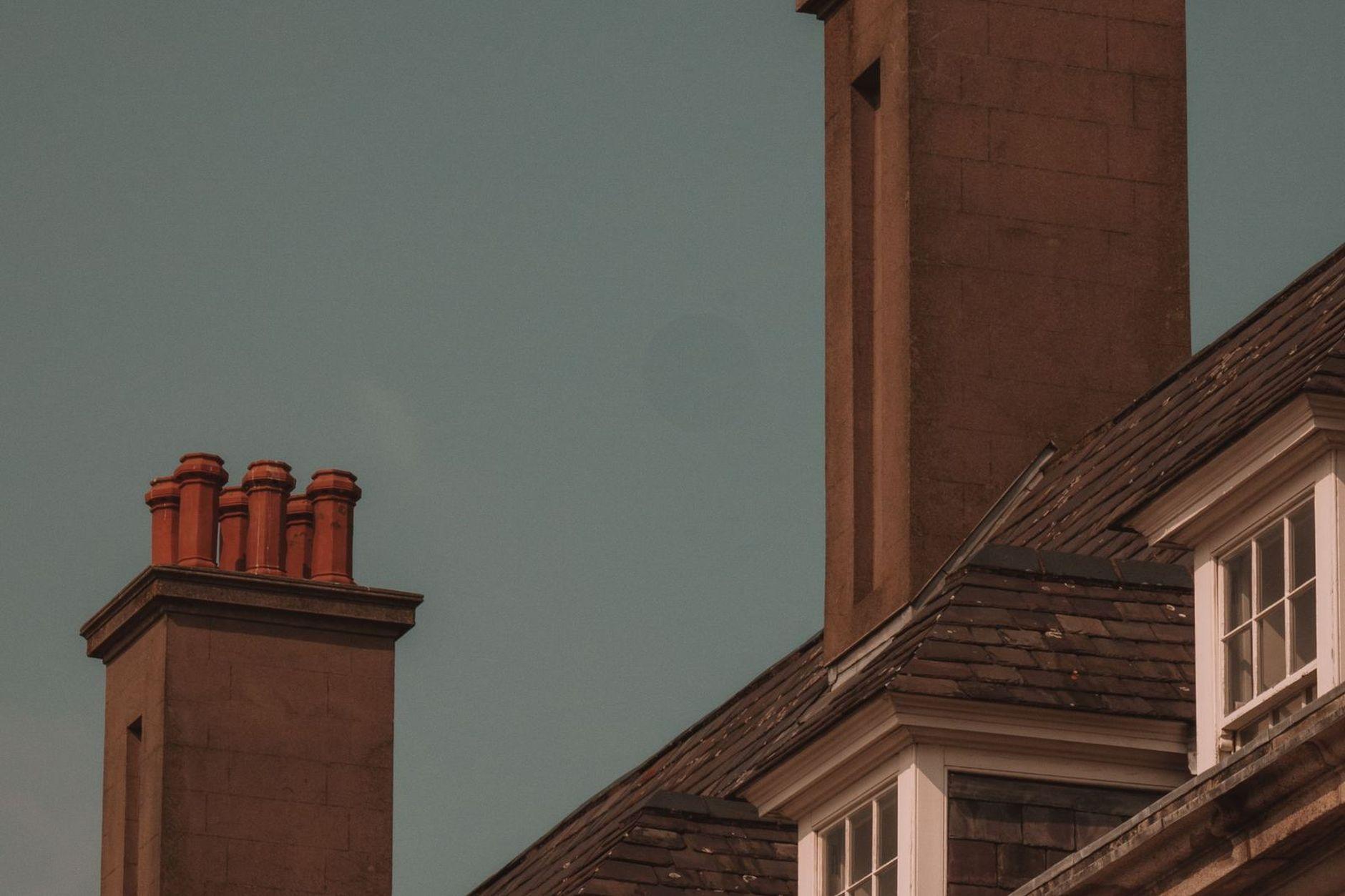
- a taller chimney or a wind-resistant cap, when the roof is to blame
- a damper that seals at the top, which also stops the cold air that pours in between fires
- a route for outside air to reach the fire in a tightly sealed house
None of these has a published price, because the chimney decides the scope. A liner on a single-story house with a straight flue is a smaller job than one on a two-story chimney with a bend above the smoke chamber. We put a figure on each after a Level 2 at $395, the inspection that tells us whether the liner and flue are fit to carry a wood fire at all.
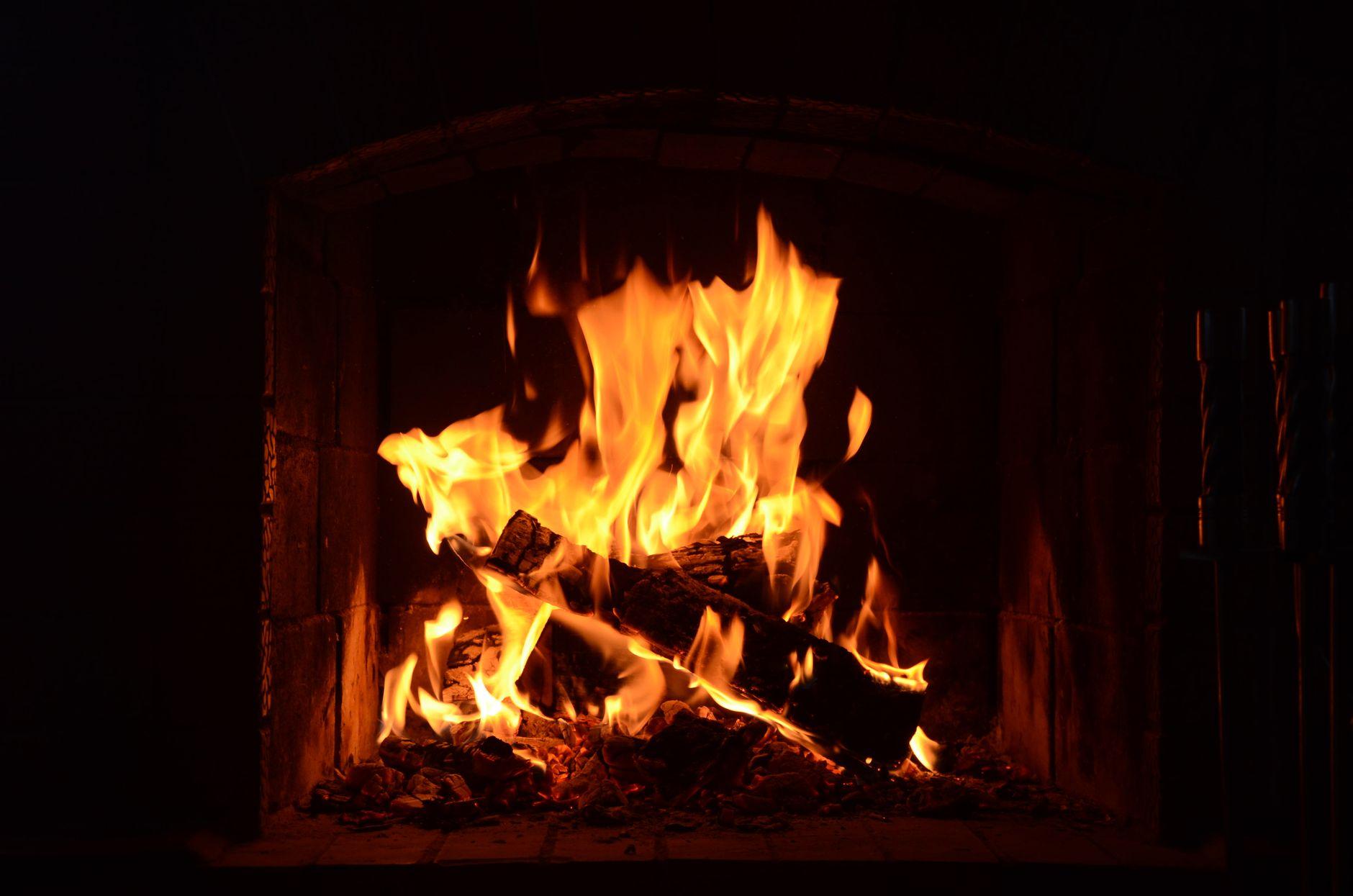
What you keep: the crackle and smell of a real fire, the look of the original hearth, and the option of burning on the days the air district allows it.
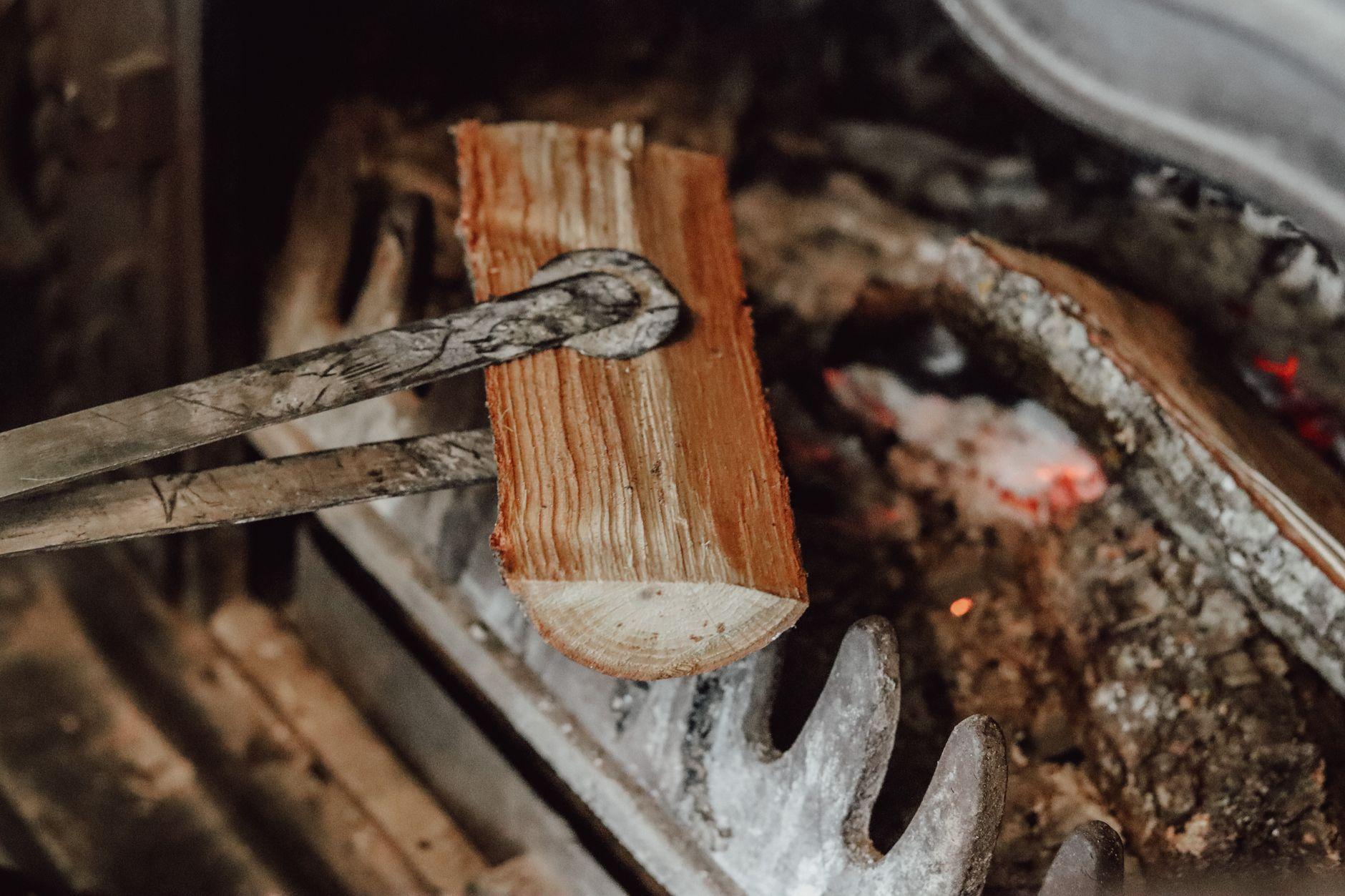
What you take on: sweeping from $425 as often as your burning calls for, the cost and storage of firewood, and the burn-day calendar. Homes in Pomona sit inside the South Coast air district, which can ban wood burning on days when the air is poor, mostly in the colder months.
Going gas
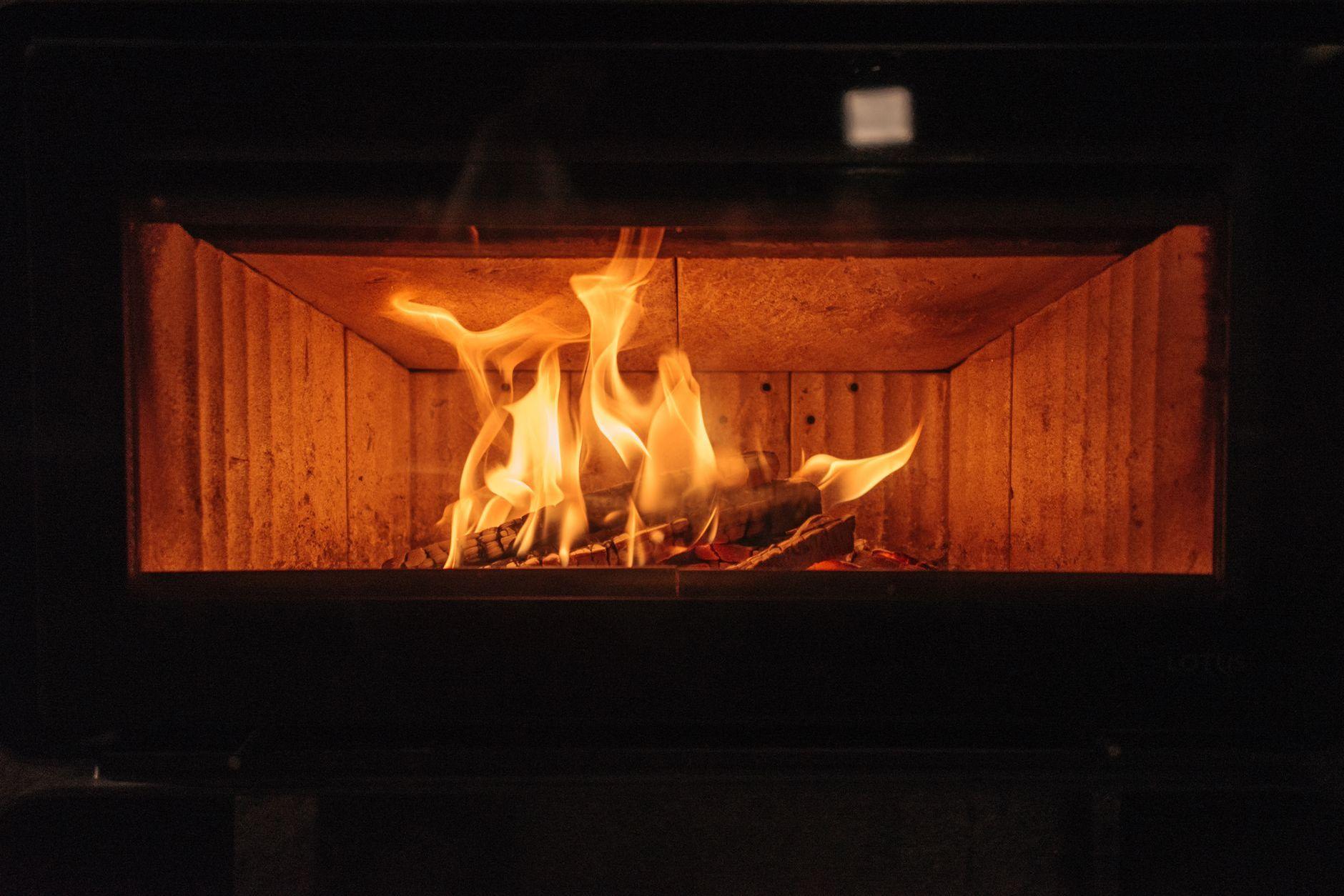
The other path closes the old opening with a sealed gas unit that takes in its own combustion air and sends exhaust out through a new liner run up the existing chimney. Because the unit is sealed and vented on its own, the draft problems that plagued the open fire mostly stop mattering. The new liner does the work the old flue could not.
Our installed range for that conversion is $2,850 to $5,700. The spread comes from the unit you choose, how far up the chimney the new liner travels and whether gas has to be piped to the hearth. If you would rather have a fireplace in a room that never had one, a new gas fireplace venting out through a side wall or the roof runs $4,550 to $9,100.
What you gain: heat at the press of a button, no ash, no smoke in the room, and no burn-day bans, since those rules aim at wood.
What you give up: a real wood fire, and some of the original look, although trim panels around the unit can cover the gap and keep the brick face in view.
Side by side
| Repair the wood fireplace | Fit a sealed gas unit | |
|---|---|---|
| Up-front cost | Inspection at $395, repair priced from it | $2,850 to $5,700 installed |
| Smoke in the room | Cured once the cause is fixed | Ends with the open fire |
| Heat into the room | Modest; most rises up the chimney | Far higher |
| Upkeep | Sweeping and firewood | Yearly gas service |
| Burn-day bans | Apply | Do not apply |
What decides which way to go
Three questions settle it for most households.
1. How often do you light it? If the answer is a few times a winter and you love the open fire, repairing it is usually the better value. If it would run every cold evening, a sealed gas unit heats the room far better. 2. What did the inspection find? A sound liner and a damper that only needs freeing favour repair. A badly cracked liner means a new liner either way, and once a liner is on the bill the gas option looks closer in cost. 3. What does the opening measure? A gas unit needs enough width, height and depth. A shallow Craftsman firebox or an arched opening may narrow the choice of units.
Tell us how you use the fireplace and what has gone wrong with it, and we arrange the visit that answers these three questions.
A word on gas logs
Gas logs set in an open fireplace are a third option people ask about. They do not cure a draft problem: a vented log set still sends its exhaust up the old chimney, so a flue that smokes with wood can spill gas fumes too. We only fit them where the chimney already draws well. Our gas logs page covers when they make sense.
Wood inserts in between
A sealed wood insert sits between the two paths: a real wood fire behind glass, venting through its own liner. It solves the same draft problems as gas while keeping wood. It still needs sweeping and still follows the burn-day rules. See fireplace inserts.
The order we suggest
Inspect first, decide second. A Level 2 tells you the state of the liner and the reason for the smoke. With that report you can weigh repair against conversion on the same page, rather than buying a gas unit to cure a problem that a damper adjustment would have solved. For the smaller fixes and what they cost, see what a smoking fireplace costs.
Next step
Whether the house is in Pomona, Corona or anywhere between, start on the contact page and tell us which way you are leaning.
Rather Have Someone Watch the Smoke for You?
Iverson Chimney Company lights a test fire, works the damper, measures the flue against the opening and checks the cap, then tells you in plain words what is wrong. Visits run from Pomona to San Dimas, Diamond Bar, Corona and the towns between.