
The fireplace you stopped using
Many sellers we meet in Pomona have a fireplace they quietly gave up on. It smoked, the room smelled for days, and after a winter or two it became a shelf for candles. Then the house goes on the market, and a buyer, or the buyer's inspector, wants to know why the brick above the opening is grey.
A smoky fireplace is not a serious defect in itself. It becomes a problem in a sale when it is unexplained and found late. This post covers how a seller can get ahead of it, what that costs and how the findings fit into the sale.
Why the buyer's inspector writes it up
The buyer's general inspector has the whole house to get through. His fireplace check is short: a light shone past the grate, one pull at the damper lever, then a glance up at the stack from the yard or the eaves. Soot staining on the face brick, a damper that will not budge, or the smell of old smoke all lead to the same sentence in the report: further evaluation by a chimney specialist recommended. That sentence is cheap to write and costly to leave open, because nobody yet knows what the specialist will say, and the buyer's imagination fills the gap.
What the deeper inspection shows
NFPA 211 sets out three levels of chimney inspection, and for a sale it points to the second, which adds a camera to the visual check. The reasoning is plain: a buyer is taking on years of use they never saw. A Level 2 with us is $395, and on a smoky fireplace we look for the cause as well as the condition:
- the damper, and whether it opens fully and closes properly
- the soot layer, how thick it is and whether it is the glazed kind that points to starved fires
- the liner, filmed from bottom to top for cracks, gaps and missing pieces
- the size of the flue compared with the opening it serves
- the height of the chimney against the roof around it
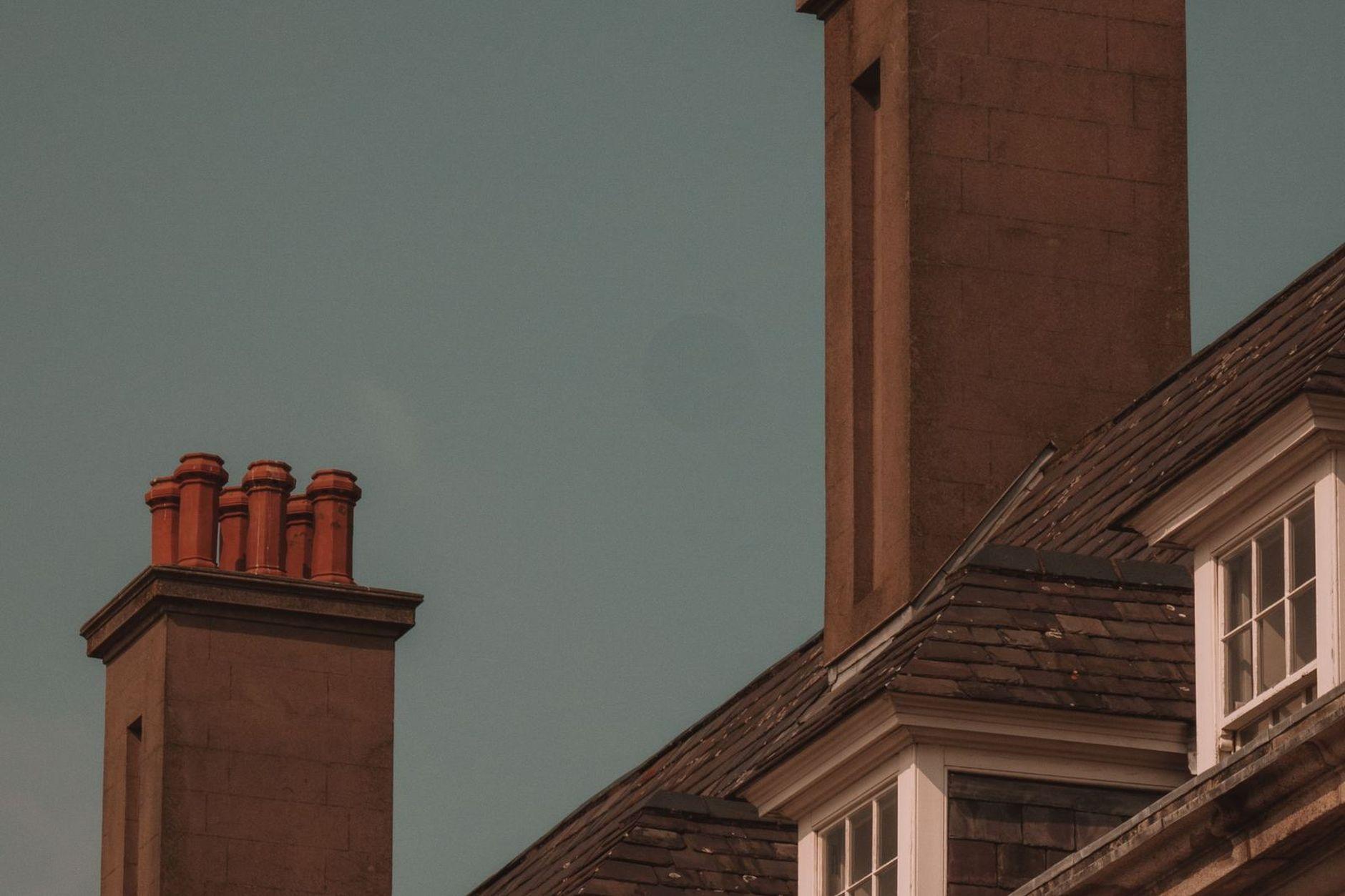
- the top: cap, screen and crown
Each finding comes with a photo and a line on what it means. Then the seller decides what to do with it.
Three ways to handle what we find
- Put it right before listing. Cheap causes, such as soot or a sticking damper, are usually worth sorting first. A fireplace that lights cleanly at the open house removes a question before anyone asks it.
- Attach a figure. Larger jobs, such as a new liner or a taller chimney, can be left for the buyer with our written price in the disclosure packet. Buyers handle known costs far better than mysteries.
- Hand over the report as it stands. Some sellers simply attach it. That is a legitimate choice; the report states the facts and nothing more.
What decides the cost for a seller
The inspection is a flat $395 per chimney, so a house with two chimneys needs two. After that, the cost depends on the cause: a sweep from $425, or, where the seller would rather replace the open fire with a sealed gas heater, $2,850 to $5,700. A new cap, where wind or debris is the trouble, is priced once we have measured the flue, with the number of flues, the size of the cap and the metal setting the figure. Liner, damper and chimney height work carry no published price; we write those figures into the report from the same visit.
Give us the address and say whether the fireplace still gets lit, and we book the inspection and note which findings you want priced.
A smoke test for the showings
Buyers like to see a fire burn. If the fireplace will be lit at an open house, we can run our smoke test with the house set up the way it will be that day: doors shut, kitchen hood on, heating running. If smoke spills under those conditions, you learn it from us rather than from a buyer standing in a hazy living room.
Who sees the report
The report belongs to you if you book it. Share it with your listing agent, add it to the disclosures or keep it while you weigh repairs. If the buyer later books an inspection of their own, ours is still yours. Handing it over early tends to help, because the buyer's inspector then has something specific to confirm rather than an open question to chase.
Gas fireplaces get flagged too
Soot on the glass, a pilot that will not stay lit, a smell when the unit runs: these point to a vent, burner or valve fault. We check them on the same visit, and the repair work sits under gas fireplace repair. A gas fireplace with a clear report is one less line for a buyer to circle.
Older Pomona houses
Many Pomona and San Dimas homes from the middle of the last century have brick fireplaces with generous openings and modest flues, which is one of the commonest built-in causes of smoke. If that is your house, expect the report to talk about flue size, and read our post on liner sizing for a smoky flue before deciding whether to repair or disclose.
If your agent is arranging it
Our page for listing agents covers how they book and who receives the report. The seller's side of the same visit is on our home sale inspection page.
Before the sign goes up
Selling in Pomona, San Dimas, Diamond Bar or Corona with a fireplace that has a history? Start on the contact page and we put the chimney on paper before the buyer's inspector does.
Rather Have Someone Watch the Smoke for You?
Iverson Chimney Company lights a test fire, works the damper, measures the flue against the opening and checks the cap, then tells you in plain words what is wrong. Visits run from Pomona to San Dimas, Diamond Bar, Corona and the towns between.