
A swept chimney can still smoke
Plenty of Pomona homeowners book a sweep because the fire smokes, then find it smokes just as much the following weekend. The brushing was not wasted, but it answered the wrong question. Soot is only one of several reasons a chimney stops drawing. When you hire someone for a fire that will not pull, you are really hiring a diagnosis, and the sweeping is one part of it.
This post covers what to expect from that visit, what to listen for on the first call and what the written result should say. It is written from our side of the job at Iverson Chimney Company, where draft and smoke are the main reason people reach us.
What our sweep visit includes
Our sweep is from $425. For that we:
- lay drop cloths from the hearth outward and close off the opening, so loosened soot goes into our vacuum rather than your room
- brush the flue from the firebox up, and from the roof down where access allows
- clear the smoke shelf, the ledge behind the damper where soot and debris collect
- work the damper and note whether it opens wide and shuts snugly
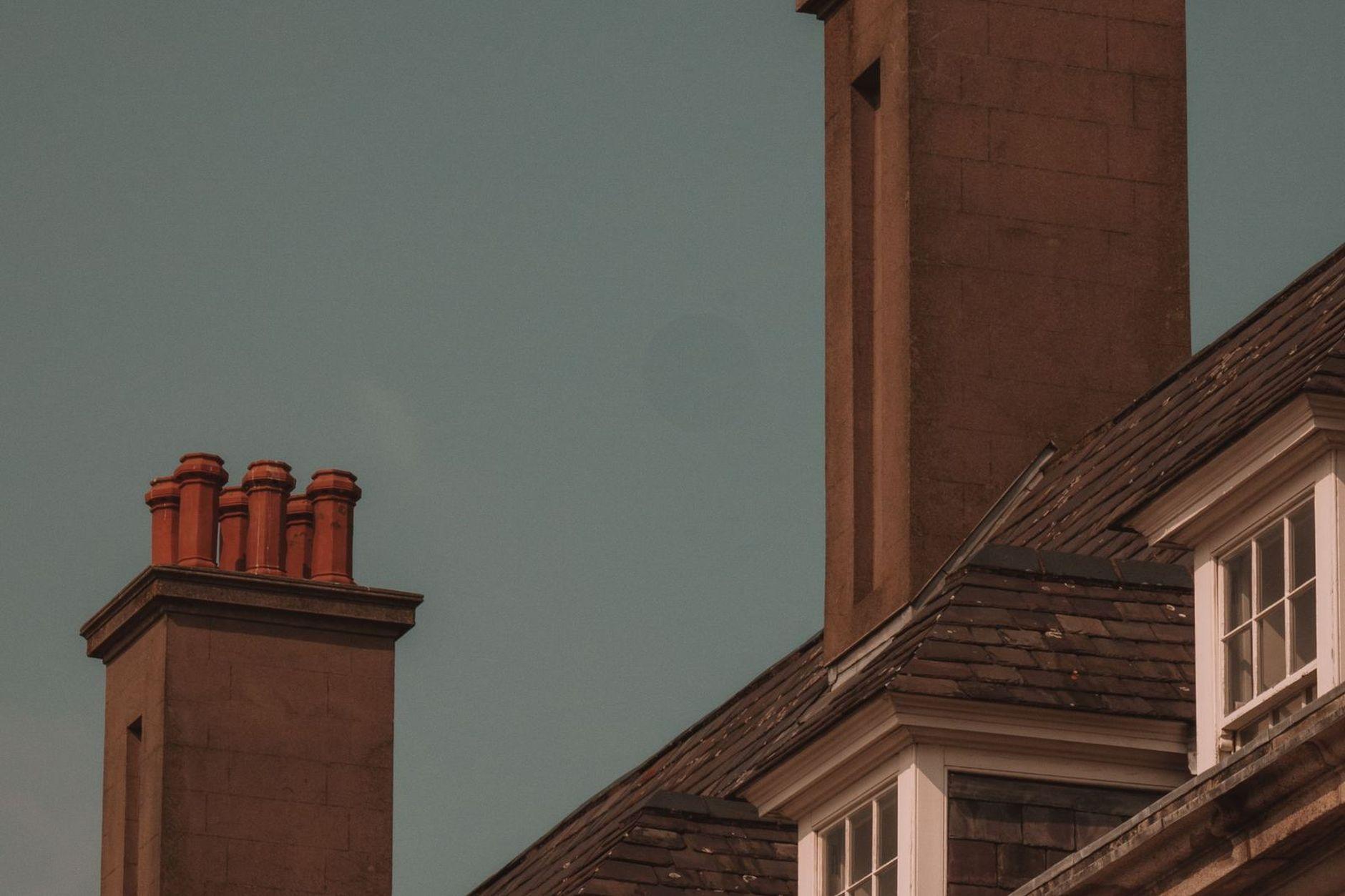
- look over the top of the chimney: cap, screen and crown
- record how thick the deposit was and what kind, since a shiny, tarry coat points to fires starved of air
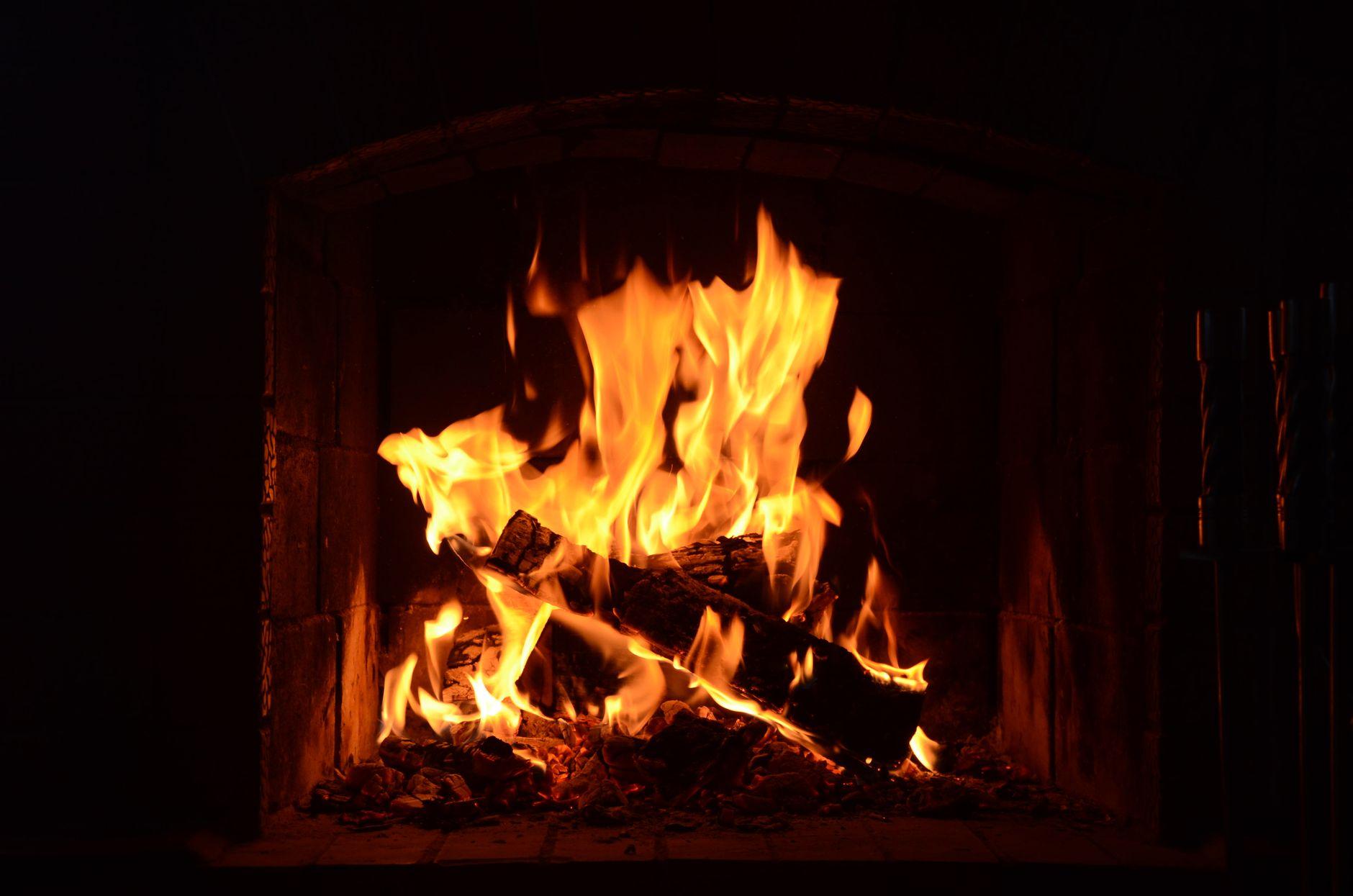
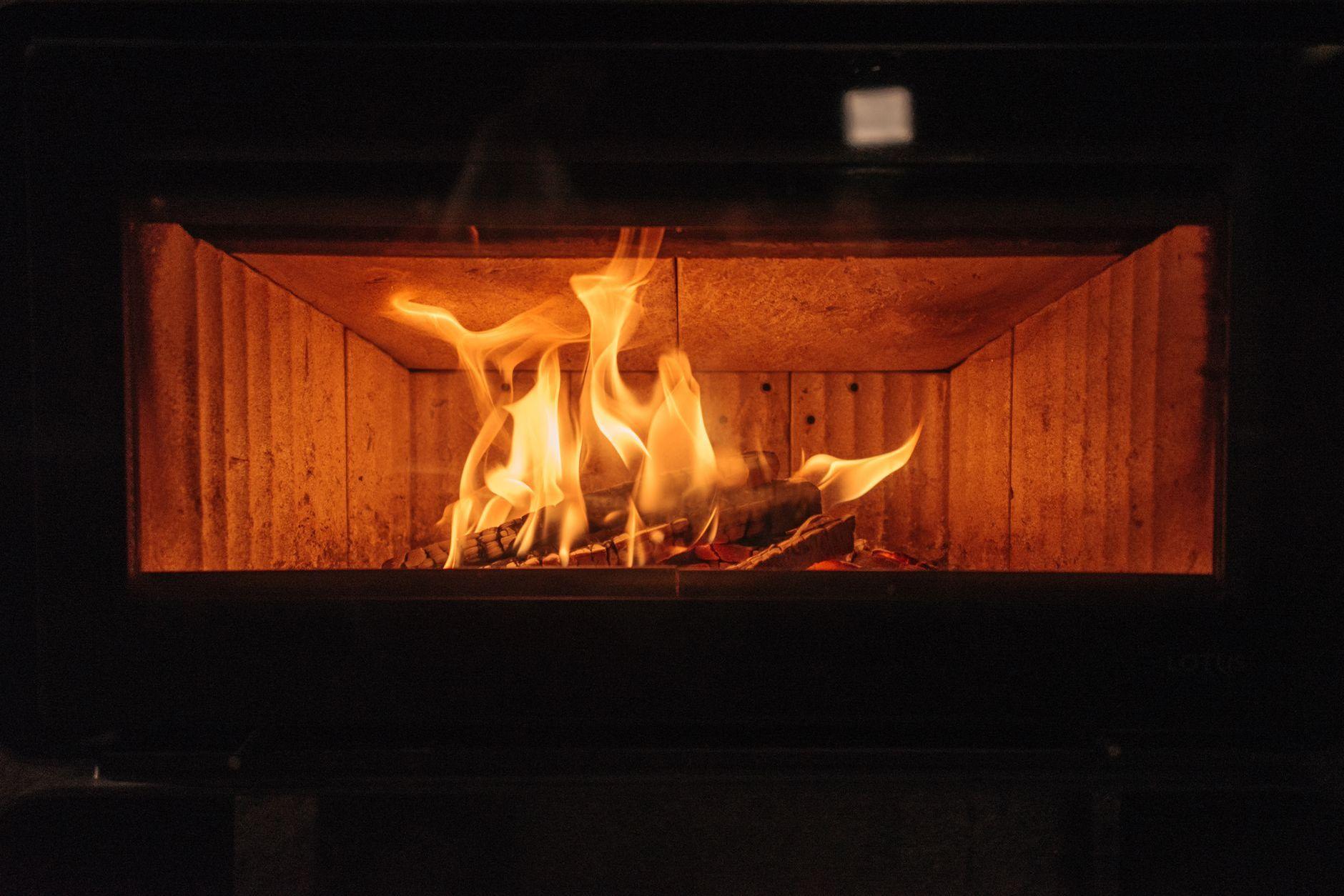
If the draft was the reason you called, we light a small test fire after the brushing, where it is safe to do so, and see whether the smoke climbs straight up or spills at the top of the opening. That one observation tells both of us whether the sweep solved it.
Five things to hear on the first call
1. They ask what the smoke does. Every time, or only on windy nights? Only when the furnace or the dryer runs? Only while the fire is getting going? Those answers point to different causes, and a company that does not ask is planning to sweep and leave. 2. They name a price for the sweep. A sweep has a known cost. Ours is from $425. If the figure on the phone is vague or oddly low, ask what happens once someone is on the roof. 3. They say what happens if sweeping does not cure it. The honest answer involves an inspection: a Level 1 at $55 for what can be seen, or a Level 2 at $395 when the flue needs the camera. 4. They tell you what you get in writing. A short report with the soot level, the damper's condition, any damage seen and the likely cause of the smoke. 5. They do not promise a cure. Nobody can say a sweep will stop smoke before they have seen the chimney.
Warning signs in a quote
- A large repair figure delivered from the roof, with no photos.
- A liner or rebuild sold without a camera inspection.
- A price that grows after the brushing starts, with no written reason.
- A suspiciously cheap visit that ends in a long list of urgent repairs.
A sound result shows you the problem in a photo or on video and explains why it causes the smoke. If it cannot do that, it is a sales pitch.
What decides the next step
After the sweep, one of three things is true.
- The smoke is gone. Soot or a blockage was the cause. You need nothing more than sweeping at the interval your burning calls for.
- The smoke is better but not gone. Something else is helping it along: the damper, the air supply in the house or the top of the chimney. The report says which we suspect.
- Nothing changed. The cause sits in the flue size, the chimney height or the liner. That is camera territory.
Describe what the smoke does and when it happens, and we tell you whether a sweep on its own makes sense or whether to begin with an inspection.
What a sweep cannot cure
A brush does not make a flue bigger, a chimney taller or a cracked tile whole. It does not supply air to a house sealed tight by new windows. Those causes need their own fixes, and we list them on the report with a price where we publish one. Our guide to what a smoking fireplace costs walks through them, and the liner sizing post covers the case where the flue itself is wrong.
How often to book
Burning habits set the interval more than the calendar. A fireplace lit most winter evenings in Pomona builds soot faster than one lit on a handful of holidays. Pine and other softwoods, damp logs and smouldering fires all leave heavier deposits. We note the layer on every visit, so your next interval rests on your own chimney rather than a rule of thumb.
Gas units and stoves
Gas fireplaces do not build soot the way wood does, but their vents do collect debris, and a gas unit with a weak draw can spill exhaust. That service is gas fireplace cleaning, and if the flame or pilot misbehaves, gas fireplace repair. Wood stoves and inserts need sweeping too, through their own liner.
Why we keep a record
Every visit leaves a dated note: soot level, damper, top of chimney, smoke behaviour. If you call next year with the same complaint, we compare. If you sell, the note goes into the file. If an insurer asks after a chimney fire, the record shows when the chimney was last swept and what it looked like.
Getting started
For a sulking flue anywhere in Pomona, San Dimas, Diamond Bar or Corona, the contact page is the way in. Tell us what the fire does and we take it from there.
Rather Have Someone Watch the Smoke for You?
Iverson Chimney Company lights a test fire, works the damper, measures the flue against the opening and checks the cap, then tells you in plain words what is wrong. Visits run from Pomona to San Dimas, Diamond Bar, Corona and the towns between.